Home Improvement Basics
Home improvement story – Home improvement projects can be both exciting and daunting. Understanding the basics can make the process smoother and more enjoyable. This section covers essential tools, common materials, and safety precautions to help you get started on your renovation journey.
Essential Tools for Home Improvement
Every home improvement enthusiast should invest in a set of essential tools. These not only facilitate the renovation process but also ensure efficiency and safety. Key tools include:
- Hammer: A versatile tool used for driving nails and breaking objects.
- Screwdriver Set: Necessary for assembling furniture and other fixtures.
- Measuring Tape: Essential for precise measurements before cutting or purchasing materials.
- Utility Knife: Useful for cutting various materials with ease.
- Power Drill: A must-have for drilling holes and driving screws.
- Level: Ensures that surfaces are even and aligned correctly.
Common Materials Used in Home Renovations
Choosing the right materials is crucial for the success of any home improvement project. Here are some commonly used materials:
- Wood: Versatile and widely used for framing, flooring, and cabinetry.
- Drywall: Commonly used for walls and ceilings, providing a smooth finish.
- Paint: Enhances aesthetics and protects surfaces.
- Tile: Popular for flooring and backsplashes due to durability and variety.
- Insulation: Essential for energy efficiency and temperature control.
Importance of Safety Precautions
Safety should always be a priority during home improvement tasks. Taking proper precautions minimizes the risk of injuries and accidents. Key safety tips include:
- Always wear protective gear such as gloves, goggles, and masks.
- Ensure proper ventilation when using paint or chemical products.
- Keep work areas tidy to prevent tripping hazards.
- Use tools according to manufacturer instructions to avoid misuse.
Planning Your Home Improvement Project
Effective planning is essential for the success of home improvement projects. A well-thought-out plan can save time and resources while ensuring that the project meets your expectations.
Creating a Budget for Home Renovations
Setting a budget is one of the first steps in planning your renovation. Follow these steps to create a realistic budget:
- Assess your finances and determine how much you can comfortably spend.
- Research average costs for the materials and services you’ll need.
- Account for unexpected expenses by adding a 10-20% buffer to your budget.
- Prioritize your needs versus wants to allocate funds effectively.
Designing a Timeline for Execution
A timeline helps keep your project on track. Consider the following when designing your timeline:
- Break the project into manageable phases, such as planning, purchasing, and construction.
- Estimate the time required for each phase and include time for potential delays.
- Set realistic deadlines to maintain momentum without overwhelming yourself.
Checklist of Necessary Permits and Approvals
Before starting construction work, it’s crucial to check for required permits and approvals. Here’s a checklist to guide you:
- Check local building codes and regulations.
- Obtain permits for major renovations like structural changes or electrical work.
- Consult with your homeowners association (HOA) if applicable.
Popular Home Improvement Ideas
When it comes to increasing the value of your home, certain improvement projects stand out. Here are some popular ideas that homeowners can consider.
Trending Home Improvement Projects
Certain projects are trending in today’s market, adding significant value to homes. Consider these options:
- Kitchen Remodel: Modernizing your kitchen can greatly enhance functionality and aesthetics.
- Bathroom Upgrades: Renovating bathrooms with contemporary fixtures can attract buyers.
- Open Floor Plans: Creating open spaces improves flow and utilization.
DIY Projects on a Budget
Homeowners looking to save money can undertake several DIY projects. Some ideas include:
- Painting Walls: A fresh coat of paint can transform any room.
- Landscaping: Simple gardening and planting can enhance curb appeal.
- Furniture Refinishing: Revamping old furniture can give it new life without breaking the bank.
Modern vs. Traditional Home Improvement Styles
Home improvement styles can vary greatly. Here’s a comparison of modern and traditional styles:
| Aspect | Modern | Traditional |
|---|---|---|
| Design | Sleek lines, minimalism | Ornate details, classic designs |
| Color Palette | Neutral tones, bold accents | Warm, rich colors |
| Materials | Glass, metal, and sustainable options | Wood, stone, and brick |
Interior Enhancements
Enhancing the interior of your home can significantly improve its overall appeal. This section discusses effective techniques and strategies for optimizing your indoor space.
Techniques for Painting and Wallpapering
Painting and wallpapering can change the ambiance of your home. Here are some techniques to consider:
- Choose Quality Paint: High-quality paint lasts longer and provides better coverage.
- Prep Surfaces: Clean and repair surfaces before applying paint or wallpaper.
- Use Proper Tools: Invest in good brushes and rollers for a smooth finish.
Arranging Furniture for Optimal Space Utilization
Furniture arrangement plays a crucial role in the functionality of a space. Consider these tips:
- Identify the focal point of the room and arrange furniture around it.
- Allow for clear pathways to ensure easy movement.
- Consider proportions and scale when selecting furniture to avoid overcrowding.
Enhancing Lighting in Living Areas and Kitchens
Proper lighting can transform the feel of a room. Here are some ideas for enhancing lighting:
- Incorporate a mix of ambient, task, and accent lighting for versatility.
- Use dimmer switches to create adjustable lighting moods.
- Consider natural light sources, like windows and skylights, to brighten spaces.
Exterior Upgrades: Home Improvement Story
Upgrading your home’s exterior can boost its curb appeal and value. This section reviews landscaping ideas and maintenance tips.
Landscaping Ideas to Improve Curb Appeal
Landscaping can dramatically enhance the first impression of your home. Here are some ideas:
- Plant colorful flowers for visual interest throughout the year.
- Install a pathway to guide visitors and enhance accessibility.
- Consider adding outdoor lighting to highlight landscaping features at night.
Maintaining and Upgrading Exterior Surfaces
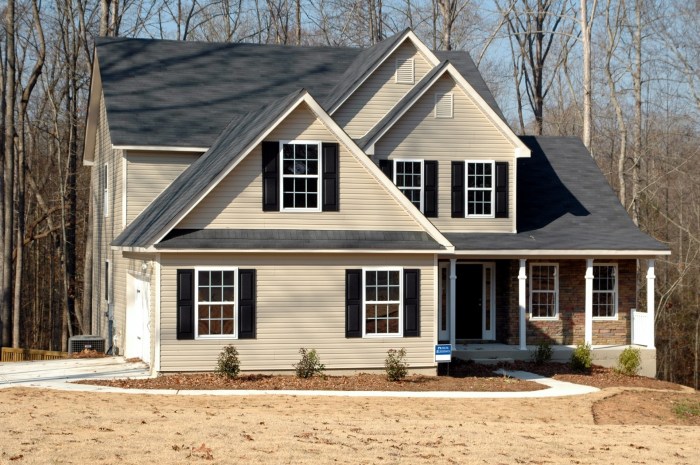
Regular maintenance prevents deterioration and keeps your home looking great. Consider these methods:
- Power wash siding and driveways to remove dirt and grime.
- Inspect and repair roofing regularly to prevent leaks.
- Repaint or stain wooden decks to protect against weathering.
Energy-Efficient Options for Windows and Doors
Energy efficiency is a priority for many homeowners. Here are some options to consider:
- Install double-pane windows to improve insulation.
- Choose energy-efficient doors that minimize heat loss.
- Consider window films or shades to reduce heat gain in summer.
Sustainable Home Improvement
Sustainability is becoming increasingly important in home renovations. This section explores eco-friendly materials and practices.
Eco-Friendly Materials and Products
Using sustainable materials can reduce your environmental impact. Here are some options:
- Recycled Materials: Consider using reclaimed wood or recycled metal for construction.
- Low-VOC Paints: These emit fewer harmful chemicals during application and drying.
- Bamboo Flooring: A renewable resource that is both durable and stylish.
Incorporating Energy-Efficient Systems
Integrating energy-efficient systems can save money and reduce your carbon footprint. Consider these steps:
- Install solar panels to generate renewable energy.
- Upgrade to energy-efficient appliances that use less power.
- Implement smart home technology to optimize energy usage.
Innovative Ideas for Recycling and Reusing Materials, Home improvement story
Recycling and reusing materials can minimize waste during renovations. Here are some creative ideas:
- Repurpose old furniture by refinishing or reupholstering.
- Use leftover tiles or wood for small projects or decorative accents.
- Donate usable items to local charities instead of discarding them.
Hiring Professionals vs. DIY
Deciding between hiring professionals and tackling projects yourself can be a challenge. This section compares the benefits and considerations of both approaches.
Benefits of Hiring Contractors
Hiring professionals offers several advantages. Consider the following:
- Access to expertise and specialized skills that ensure quality work.
- Time savings, as professionals can often complete tasks more quickly.
- Insurance and warranties that provide peace of mind in case of errors or accidents.
Key Factors in Selecting a Contractor
Choosing the right contractor is crucial for project success. Important factors to consider include:
- Check references and reviews from past clients to gauge reliability.
- Ensure the contractor is licensed and insured to protect against liabilities.
- Request detailed quotes and timelines to compare different contractors effectively.
Creating a Collaborative Environment with Professionals
Working with contractors can be a collaborative effort. To foster a positive environment:
- Communicate clearly about your vision and expectations.
- Stay involved in the decision-making process to ensure alignment.
- Provide constructive feedback to maintain open lines of communication.
Success Stories and Case Studies
Learning from others’ experiences can provide valuable insights. This section shares inspiring stories and lessons learned from home improvement projects.
Inspiring Home Improvement Success Stories
Homeowners often face challenges but ultimately achieve success. Here are a few inspiring stories:
- A couple transformed their outdated kitchen into a modern culinary haven on a budget.
- A family converted their garage into a functional guest suite, maximizing their home’s space.
- One homeowner revamped their backyard into an inviting outdoor oasis for entertaining.
Documenting a Personal Home Renovation Journey
Keeping a record of your renovation journey can be rewarding. Consider creating a journal that includes:
- Before-and-after photos to visually showcase your progress.
- Notes on challenges faced and how you overcame them.
- Reflections on the lessons learned throughout the process.
Challenges Faced During Home Improvement Projects
Renovations often come with unexpected challenges. Here are some common issues and solutions:
- Delays in material delivery can be mitigated by ordering in advance.
- Budget overruns can be addressed by prioritizing essential tasks and controlling spending.
- Unforeseen structural issues can be managed by consulting professionals early on.